There is a quiet decision being made all around Lake Norman, and it is rarely announced out loud.
It shows up in small ways — in the way someone looks at their kitchen and realizes it no longer fits the rhythm of their life, or in the way they stand at the window, looking out across the water, wondering if the house itself is finally the only thing standing in the way of what this property could become. What begins as a simple question often grows into something much larger: Do we renovate what we have, or do we start again and rebuild?
On the surface, this feels like a design conversation. In reality, it is a financial, emotional, and lifestyle crossroads that many Lake Norman homeowners eventually face.
The Shift - When the Land Becomes the Asset
The reason this question feels heavier now than it did ten or fifteen years ago is simple — land on the lake has fundamentally changed. What was once accessible has become rare, and what is rare has become incredibly valuable.
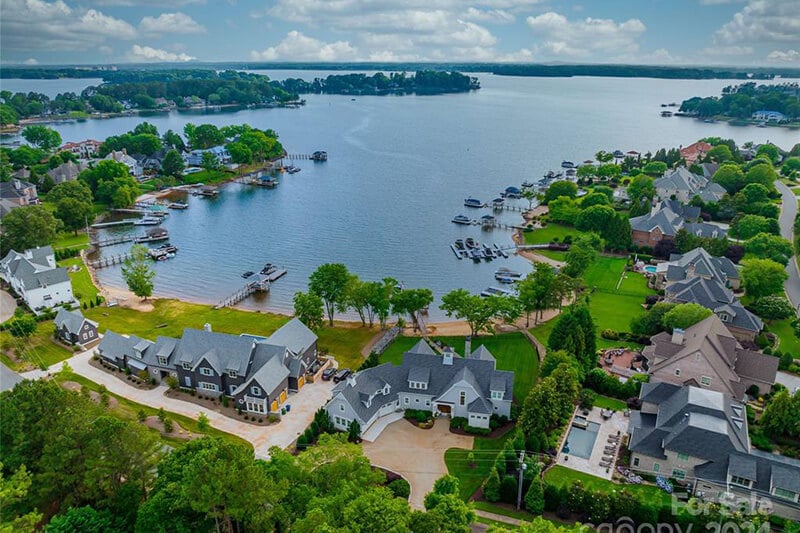
As lakefront values rose, they did not rise gradually. They accelerated, bending upward in a way that longtime residents still find surprising. Today, even properties with dated homes command extraordinary prices because the view, the water access, and the location can never be replicated.
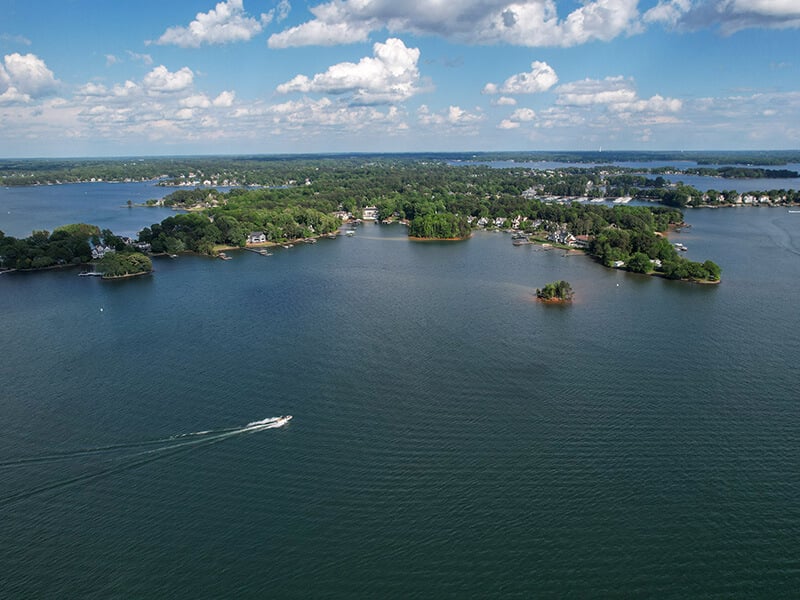
No one is creating more shoreline.
No one is building more Lake Norman.
Once you understand that, the conversation shifts from what the house is to what the property represents long term.
A Lifestyle Question Disguised as a Construction Choice
This is where many homeowners pause.
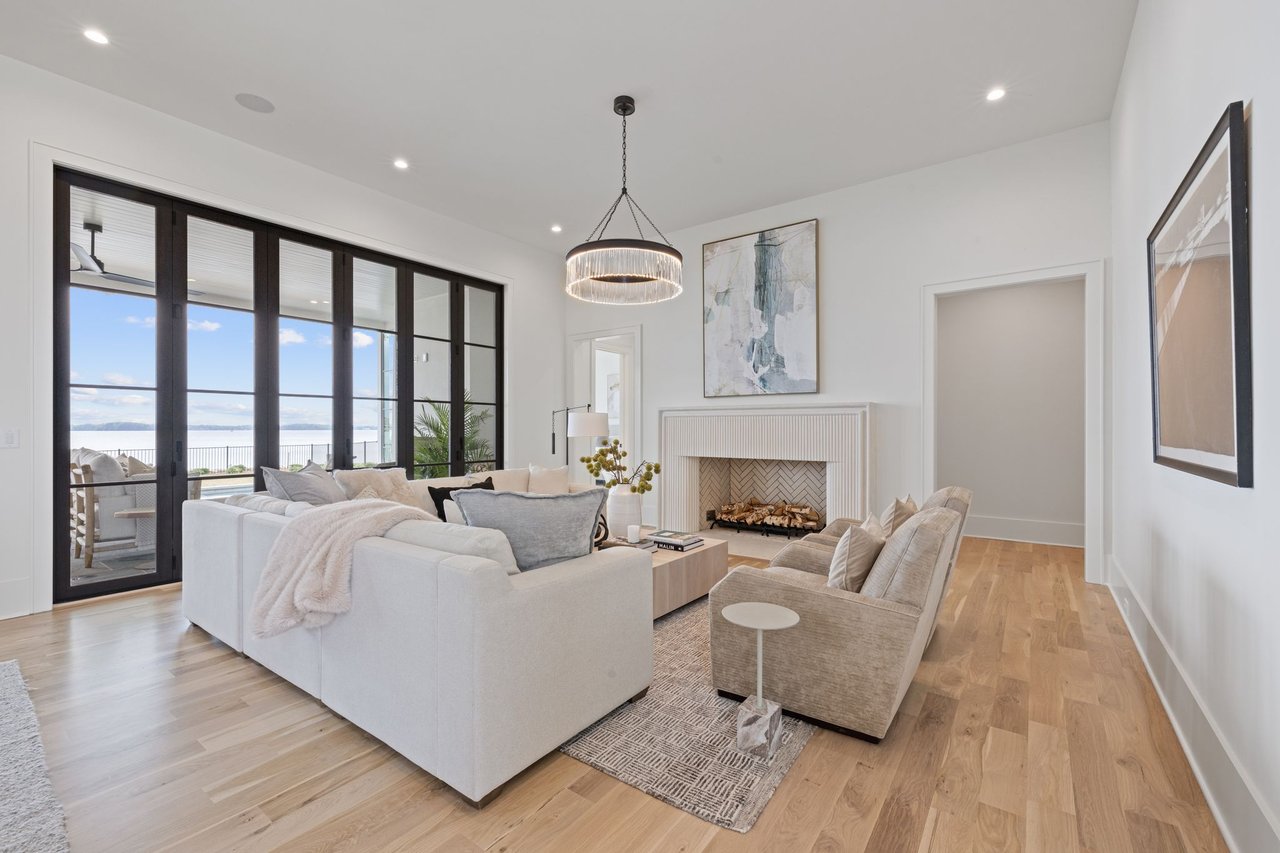
They may love their lot. They may even love their home. But they also sense that the way they live has changed — how they entertain, how they relax, how they move through space — and the structure around them no longer supports that life in the way it once did.
At that point, the decision is no longer cosmetic. It becomes a question of alignment:
Does this home still reflect who we are now, and where we are going?
When Renovation Is an Act of Preservation
For some, renovation becomes a way to honor both past and future.
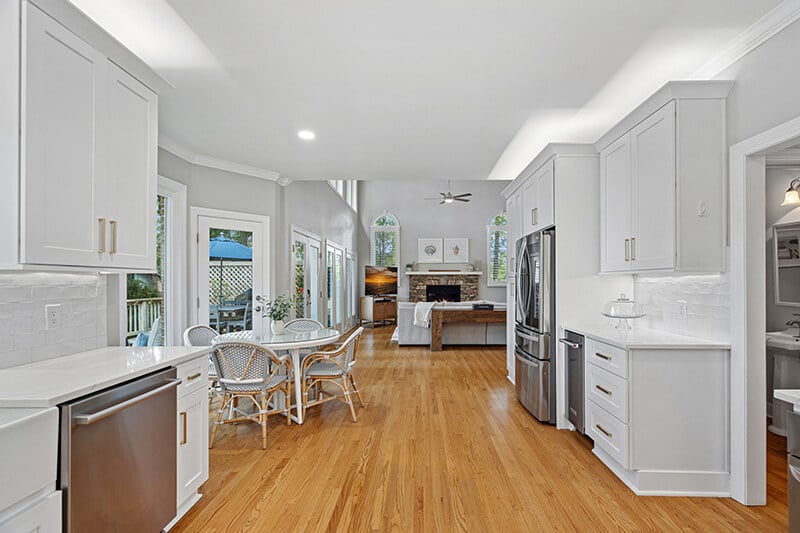
Older lake homes often have strong structural bones and irreplaceable settings, even if their layouts feel outdated or their finishes no longer match modern expectations. In these cases, reimagining the space can breathe new life into the property, preserving its location while allowing it to evolve.
When done thoughtfully, renovation is not about updating a house.
It is about translating a lifestyle into a form that finally feels natural again.
When Rebuilding Unlocks the Property’s Full Potential
For others, however, the house itself has become a limitation.
The floor plan resists change. The ceiling heights feel confined. The views are blocked by walls that cannot be moved without extreme cost. When the price of renovation begins to approach or even exceed the cost of new construction, rebuilding often becomes the more rational choice.
At that point, the structure is no longer serving the land.
Rebuilding allows the home to finally reflect the value, beauty, and long-term potential of the property it sits on.
The Luxury Math Few People Actually See
This is where the real luxury math begins — and it is not as simple as comparing price tags.
It involves understanding how land appreciates, how construction costs affect long-term equity, and how future resale value aligns with lifestyle goals. When homeowners take the time to see the full picture, the decision often becomes clearer.
It is no longer about spending more or less.
It becomes about investing wisely.
The Opportunity Hidden in “Challenging” Lots
Complicating the decision further is the reality of today’s remaining lakefront land.
Many of the easy building sites were developed years ago, leaving behind properties that are steeper, narrower, or more technically challenging. At first glance, these lots can feel overwhelming, but with thoughtful planning they often become some of the most striking homes on the lake.
What once looked impossible becomes extraordinary when vision is applied.
A Quiet Redefinition of Luxury
More buyers are also discovering that the definition of luxury itself is shifting.
While some still want to be close to shopping, dining, and marinas, others are choosing privacy, space, and a quieter pace of life. The western side of the lake, in particular, has become appealing for those who want room to breathe, fewer crowds, and the freedom to build something truly personal.
It is not louder or flashier.
It is simply more intentional.
The Decision Beneath the Decision
At its core, the renovate-or-rebuild decision is not really about construction at all. It is about recognizing that your home is no longer just a place to live, but one of your most meaningful financial and lifestyle investments. It asks you to look beyond finishes and floor plans and consider what you want your days to feel like, how you want to gather, rest, and grow, and what kind of environment will support that next chapter.
Lake Norman has a way of bringing that into focus. The water, the quiet mornings, the long evenings on the dock all slow the pace just enough to make those questions harder to ignore. When you give yourself permission to answer them honestly, the path forward becomes clearer—not because the choice is easy, but because it finally feels aligned.
And in the end, the decision is rarely about the house itself.
It is about creating a place that reflects who you are now – and who you are becoming.